
Benefits of Venetian Plaster Finish
Venetian plaster, a lime-based plaster enriched with marble dust, has been used for centuries to create elegant, seamless walls and ceilings. Here’s why it remains a top choice for designers and homeowners:
-
Exceptional Durability: Venetian plaster can withstand impact, moisture, and daily wear, making it ideal for high-traffic areas like hallways and living rooms.
-
Aesthetic Versatility: Its unique, marble-like appearance offers a high-gloss, sophisticated finish that can be customized in color and texture, from classic to modern venetian plaster styles.
-
Breathability: The plaster’s porosity allows moisture to evaporate, reducing the risk of mold and making it suitable for older buildings or humid climates.
-
Low Maintenance: Cleaning is simple—usually a damp cloth is enough. Minor scratches can be repaired with a touch-up kit.
-
Eco-Friendly: Made from natural materials like lime and marble dust, venetian plaster is free of VOCs and supports better indoor air quality.
-
Fire Resistance: The lime and marble content make it inherently fire-resistant, adding safety to any space.
-
Hypoallergenic: It doesn’t trap dust or allergens, making it ideal for allergy sufferers.
-
Customizable Finish: Pigments can be added for endless color and effect options, catering to both traditional and contemporary tastes.
-
Seamless Look: Applied correctly, it creates a smooth, joint-free surface that enhances the luxurious feel of any room.
Have you ever considered how a venetian plaster finish could transform your living room or bathroom into a statement space?
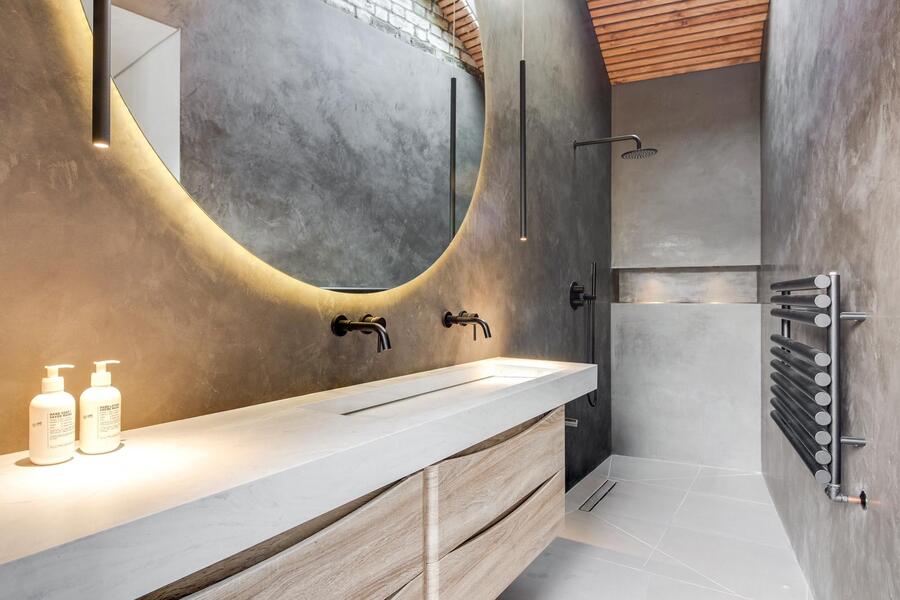
How to Implement Microcement and Venetian Plaster: Practical Steps
Both venetian plaster and microcement offer stunning finishes, but their application methods differ. Here’s a step-by-step overview for each:
Venetian Plaster Application
-
Surface Preparation: Ensure walls are clean, smooth, and free of dust or grease. Fill any cracks and sand the surface.
-
Priming: Apply a primer designed for venetian plaster to improve adhesion and achieve an even finish.
-
Mixing: Stir the plaster thoroughly for a creamy consistency. Pre-mixed plasters should be mixed again before use to avoid uneven coloring.
-
Application: Use a stainless steel trowel to apply the first thin coat in sweeping motions. Let it dry completely before adding subsequent coats—usually two or three layers.
-
Polishing: Once dry, polish the surface with a trowel or buffer for the signature high-gloss venetian plaster finish. Wax can be applied for extra sheen and water resistance, especially in bathrooms.
-
Maintenance: Clean with a damp cloth; occasional waxing maintains the shine.
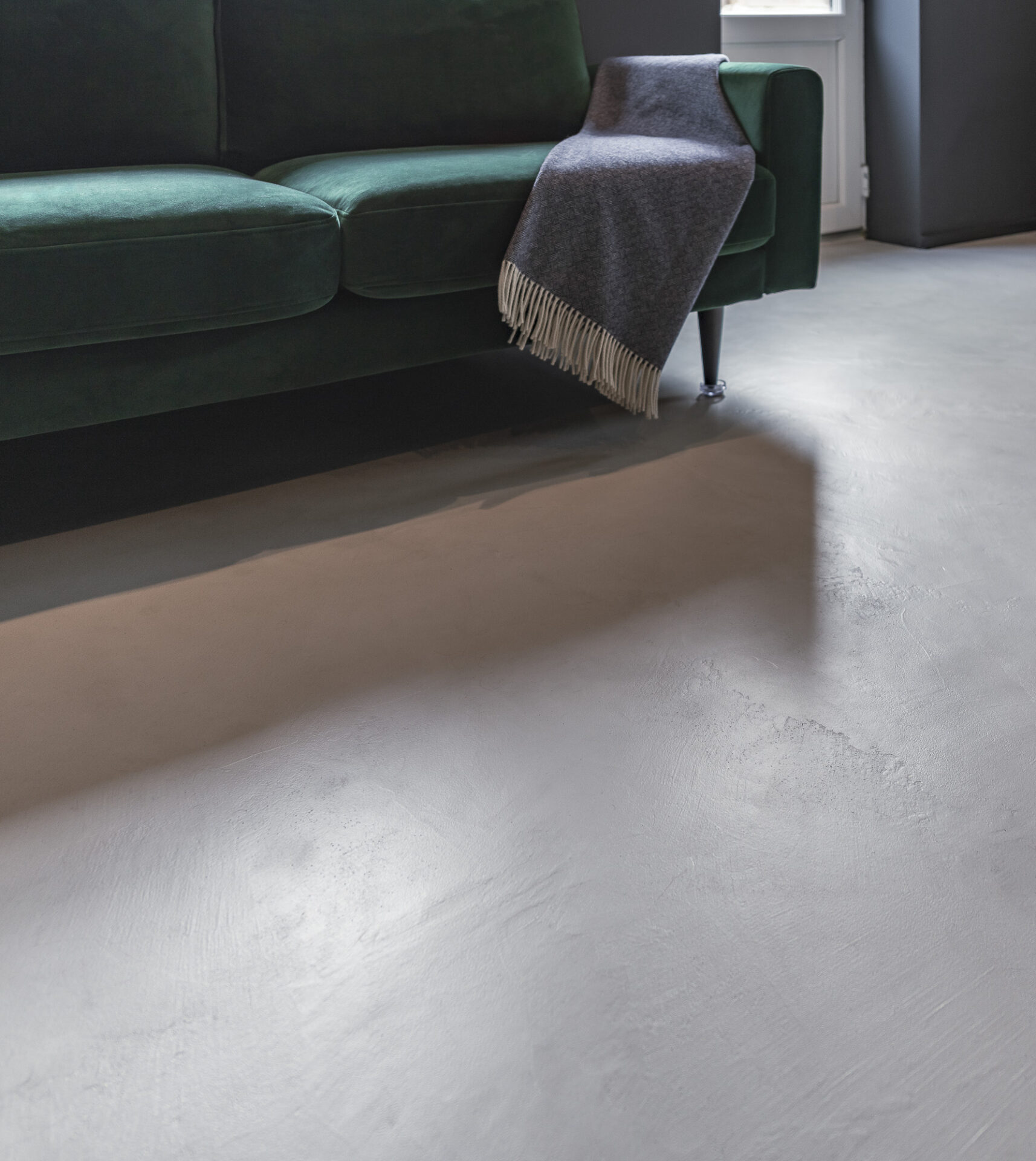
Microcement Application
- Surface Prep: The surface must be sturdy, clean, and free of cracks or moisture. Seal joints and apply a primer.
-
First Coat: Apply a 1-2mm layer of microcement using firm pressure for a smooth texture. Allow to dry, then sand.
-
Second Coat: Repeat the process for a total thickness of 3-4mm. Fill any pinholes.
-
Sealing: Apply a water-resistant sealer, especially in wet areas like bathrooms, to ensure a durable, water resistant plaster surface.
-
Curing: Allow sufficient drying and curing time before use. Maintain the sealer for ongoing protection.
Which finish would you choose for a modern bathroom—venetian plaster or microcement? Let us know your thoughts below!
Common Mistakes with Venetian Plaster and Microcement
Even experienced DIYers can make errors when working with these materials. Here are the most frequent pitfalls and how to avoid them:
-
Not Mixing Thoroughly: Incomplete mixing leads to uneven color and texture. Always use a power mixer for best results.
-
Overworking the First Coat: Too much troweling can accidentally burnish the plaster, affecting the final finish. Apply and leave it to dry before the next layer.
-
Working Wet to Dry: Always apply from dry to wet areas to prevent visible lines and texture inconsistencies.
-
Improper Tape Removal: Remove tape while the plaster is still wet to avoid damaging corners.
-
Skipping Surface Prep: Any dust or grease can prevent proper adhesion, causing peeling or cracking later.
Future Trends in Modern Venetian Plaster and Microcement
The world of wall finishes is evolving rapidly, with both venetian plaster and microcement at the forefront of design innovation:
-
Sustainable Materials: There’s growing demand for eco-friendly, lime based plaster and natural finishes that improve indoor air quality and reduce environmental impact.
-
Water Resistant Plaster: New formulations are making venetian plaster and microcement more suitable for wet areas, such as venetian plaster bathrooms and kitchens.
-
Custom Textures and Colors: Designers are experimenting with pigments, metallics, and layered effects to create bespoke venetian walls and statement features.
-
Hybrid Finishes: Some products now blend the best of both worlds—combining the seamless, durable qualities of microcement with the luxurious look of venetian plaster.
-
Smart Application Techniques: Faster-curing microcement and improved tools are reducing installation times, making these finishes more accessible for both professionals and DIYers.
-
High-End Demand: In cities like London, venetian plaster is increasingly used in luxury homes, hotels, and commercial spaces for its timeless elegance and longevity.
Conclusion
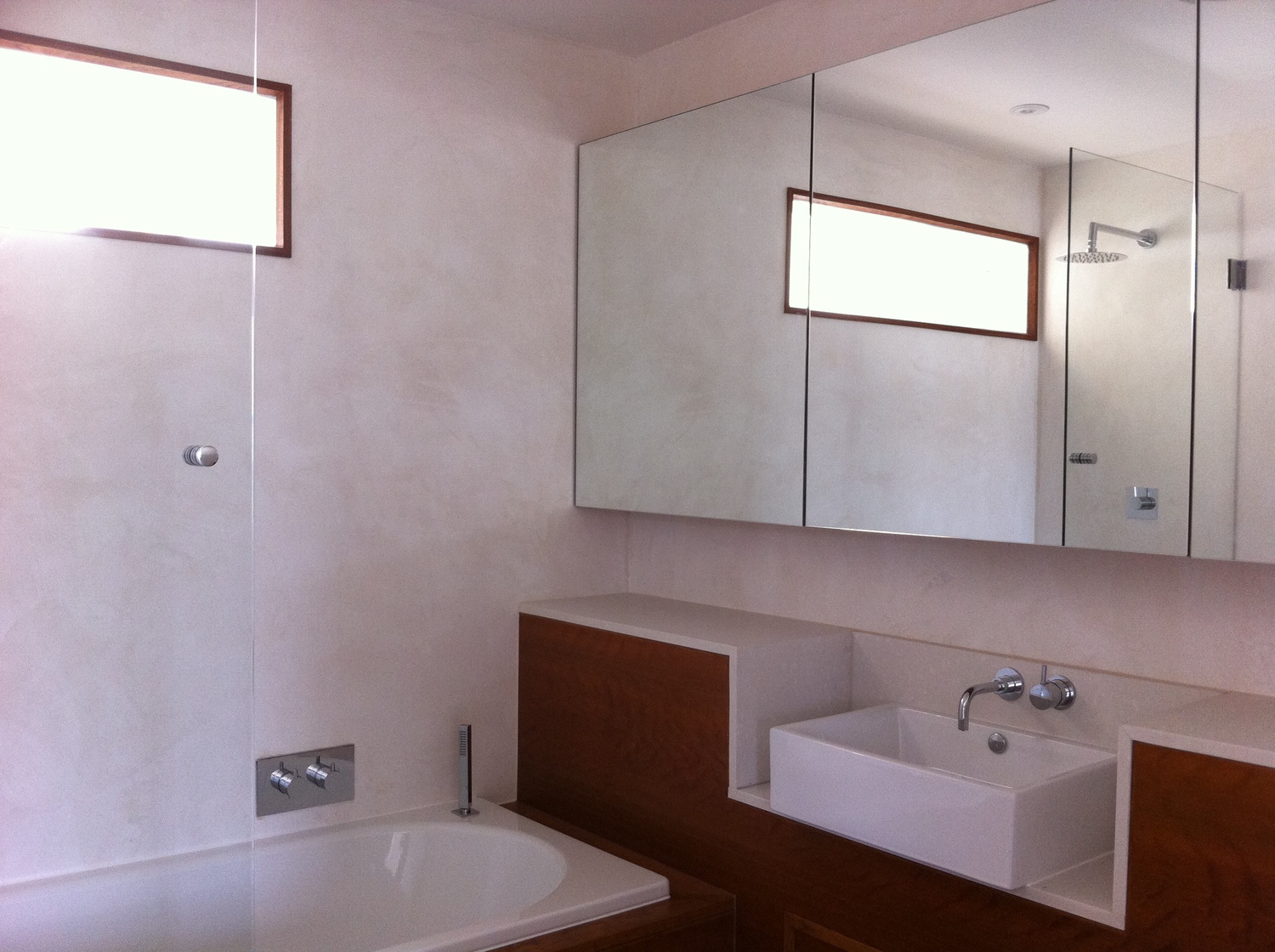
Venetian plaster and microcement each offer unique advantages for modern interiors. Venetian plaster stands out for its classic beauty, breathability, and eco-friendly composition, while microcement excels in durability and water resistance—especially in high-traffic or wet areas. By understanding their benefits, application methods, and common pitfalls, you can make an informed choice for your next renovation or design project.
Ready to transform your space with a stunning venetian plaster finish or explore the versatility of microcement? Subscribe for more expert insights or visit our project gallery and guides at moderndsgn.com for inspiration and practical advice.
