


The Return of Luxury: Why Venetian Plaster is Trending in Modern Design
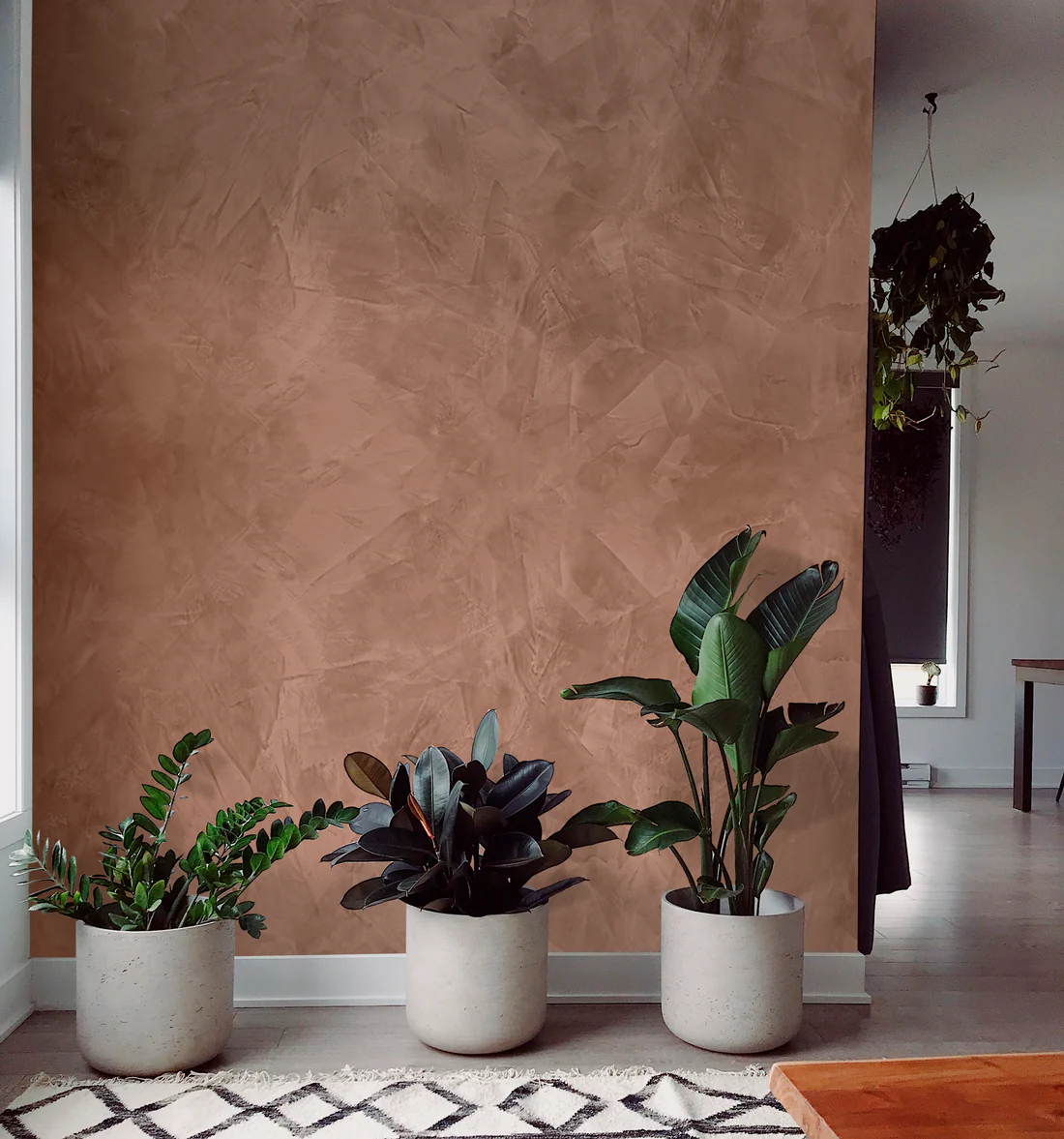
Once relegated to Renaissance palaces, Venetian plaster has reemerged as a defining feature of contemporary interiors. This ancient technique-crafted from slaked lime, marble dust, and natural pigments-is captivating designers and homeowners alike with its ability to merge artisanal craftsmanship with modern minimalism.
A Brief History of Venetian Plaster
Venetian plaster’s origins trace back over 9,000 years to Mesopotamia, where early lime-based plasters adorned tombs and cities. The Romans refined the technique by adding marble dust, creating a durable, marble-like finish they called Marmoratum Opus. After fading post-Roman Empire, it resurged during the Renaissance, championed by architects like Palladio, who used it to mimic stone in Venetian villas. Today, modern artisans have revived these methods, blending tradition with innovation.
Why Venetian Plaster Complements Modern Minimalism
Minimalist design thrives on simplicity, clean lines, and uncluttered spaces. Venetian plaster aligns perfectly with these principles by offering:
-
Subtle Texture: Its hand-troweled layers add depth without visual noise, preventing sterile environments.
-
Warmth and Light: The plaster’s reflective quality amplifies natural and artificial light, enhancing airy, open spaces.
-
Neutral Flexibility: Muted tones like soft greys, warm beiges, and ivory create serene backdrops for minimalist interiors.
For a deeper look at how decorative plasters enhance modern spaces, see our overview of decorative plaster applications.

Design Strategies for Modern Spaces
1. Color and Finish Selection
-
Neutral Palettes: Opt for whites, greys, or earthy tones to maintain calm. For depth, layer slightly contrasting shades (e.g., a charcoal underlayer beneath a lighter topcoat).
-
Polished vs. Matte: High-gloss finishes reflect light for a luxurious sheen, while matte textures offer understated elegance.
2. Strategic Applications
-
Feature Walls: Use Venetian plaster to highlight fireplace surrounds, headboards, or entryways.
-
Functional Zones: Apply in kitchens and bathrooms for moisture-resistant, easy-to-clean surfaces. For inspiration, explore Venetian plaster vs. microcement to see which finish best suits your needs.
-
Open-Plan Living: Define areas subtly in loft-style spaces without disrupting visual flow.
3. Material Pairings
-
Glass and Metal: Contrast plaster’s organic texture with sleek metals or transparent partitions for modern edge.
-
Wood and Stone: Pair with oak flooring or marble countertops to amplify natural warmth.
-
Textiles: Layer linen drapes or wool rugs to soften polished surfaces.
Beyond Aesthetics: Practical Benefits
Sustainability and Health
-
Eco-Friendly: Made from natural lime and marble, it’s biodegradable and low-VOC, improving indoor air quality.
-
Durability: Outlasts paint and wallpaper, requiring minimal maintenance over decades.
-
Breathability: Regulates humidity, preventing mold and moisture damage.
Lighting Techniques
-
Layered Lighting: Combine ambient (recessed lights), task (pendants), and accent (spotlights) to highlight textures.
-
Directional Adjustments: Angle lights to accentuate plaster’s depth and metallic undertones.
-
Dimmers: Control brightness to adapt the ambiance for day-to-night transitions.
Conclusion: A Timeless Investment
Venetian plaster bridges ancient artistry and modern design, offering a sustainable, luxurious upgrade for minimalist spaces. Its versatility-whether in a monochromatic bathroom or an industrial loft-proves that true craftsmanship never goes out of style. For those seeking to elevate their interiors with a finish that’s as functional as it is beautiful, Venetian plaster isn’t just a trend-it’s a return to enduring elegance.
To explore more about how traditional plasters like tadelakt are shaping modern interiors, visit The Timeless Allure of Tadelakt: Bridging Moroccan Tradition and Modern Design.